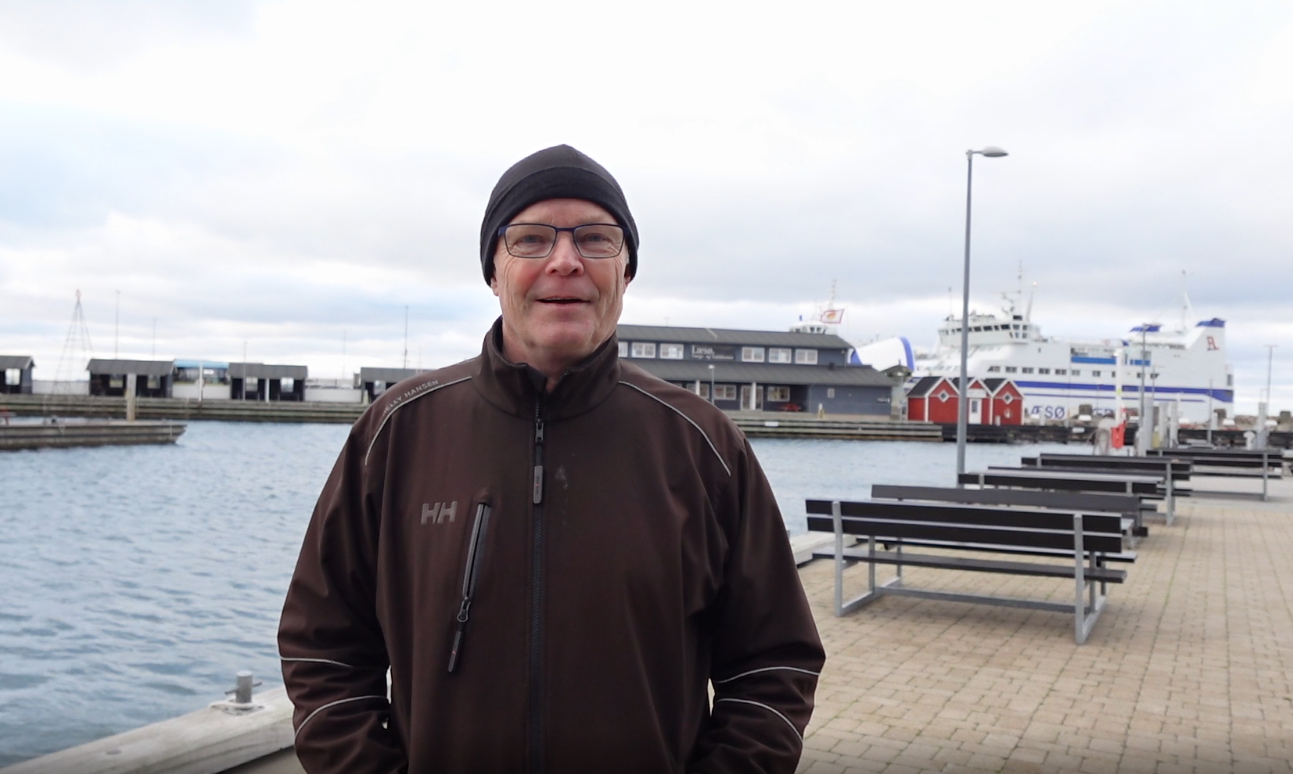
As part of our Stories of the Sea series, Coastal Voices, we spoke with Tom Andersson, Marketing and Communication Consultant at the Læsø Tourism and Business Association on the Danish Island of Læsø.
His perspective highlights how deeply the island’s identity is shaped by the sea, culturally, economically, and emotionally, offering rich material for educators exploring place-based learning.
Tom describes Læsø as a place where community, landscape, and maritime heritage are inseparable. The island’s rhythms are guided by the sea, and its people have long relied on coastal resources, from fisheries to salt making to nature‑based tourism. For educators, these connections illustrate how local livelihoods, traditions, and ecosystems evolve together over time.
Today, sustainable tourism plays a central role in supporting local livelihoods while protecting the fragile coastal environment that makes Læsø unique. In the interview, Tom emphasises the importance of responsible tourism development, a theme that can help learners reflect on how economic activity and environmental stewardship must be balanced in their own communities.
Visitors are drawn to Læsø’s tranquillity, open landscapes, and strong sense of place, but maintaining these qualities requires careful, ongoing stewardship. Community engagement is key: residents, businesses, and associations work together to ensure that tourism strengthens rather than strains the island’s natural and cultural assets. This collaborative approach offers educators a concrete example of community‑led sustainability in practice.
By sharing the island’s stories, traditions, landscapes, and the people who care for them, Læsø welcomes visitors in ways that support both the community and the coast. These insights invite educators to consider how storytelling can help learners connect with their own coastal environments and the people who shape them.
Watch the full interview with Tom Andersson on Youtube: