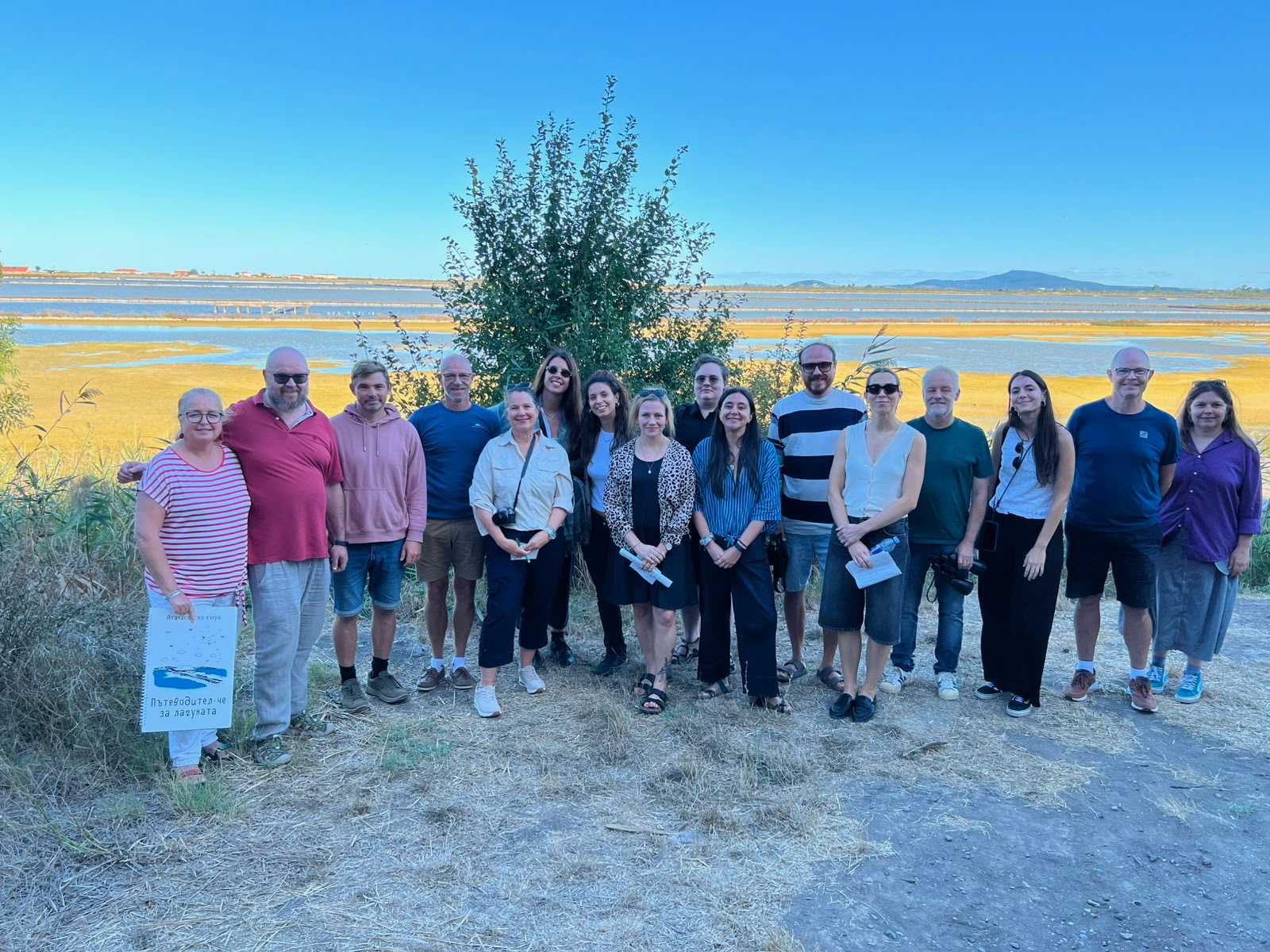
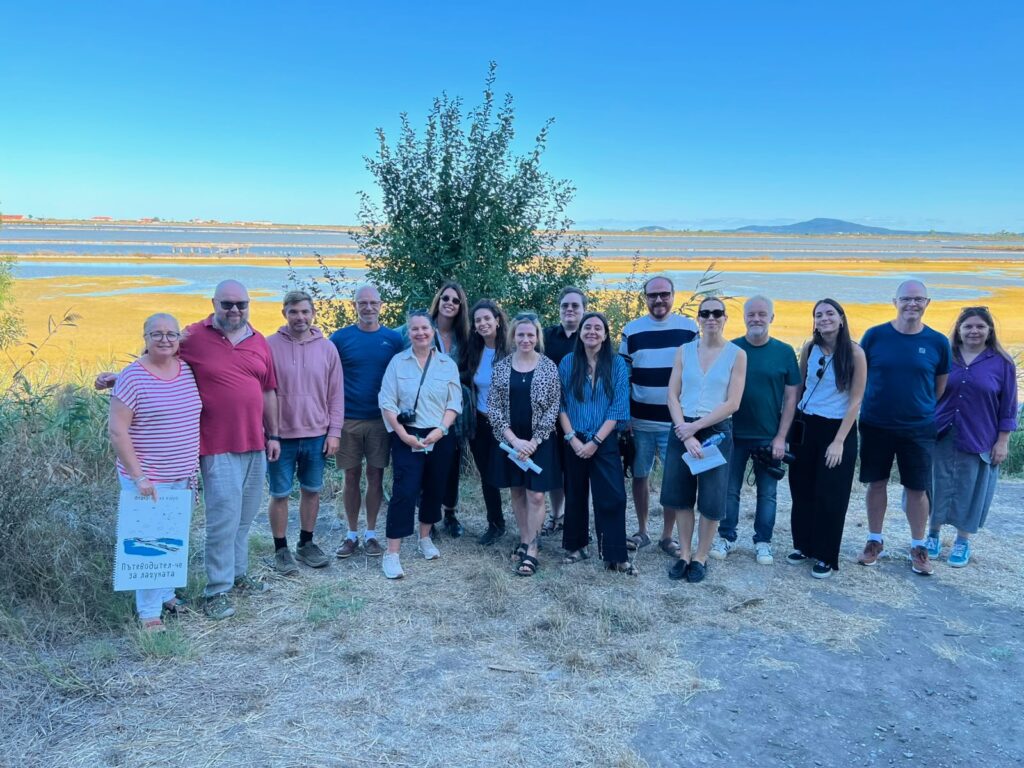
In September, the Stories of the Sea partners met in Burgas, Bulgaria, for an intensive and inspiring week dedicated to advancing the project’s approach to coastal sustainability learning. Hosted by the Bulgarian Biodiversity Foundation (BBF), the Burgas Lab brought together VET trainers, community educators, researchers and cultural practitioners from across Europe to test methods, exchange perspectives and deepen their understanding of coastal communities.
Building on the Stories of the Sea Framework
The Burgas Lab marked the first major opportunity to work hands‑on with the Stories of the Sea Competence Framework, which outlines the key competences, transversal skills and attitudes needed to support inclusive and sustainable coastal communities. The Framework now guides the development of the Stories of the Sea Toolkit — a practical resource for VET and community trainers that will be released early next year.
Testing the Toolkit: Methods in Practice
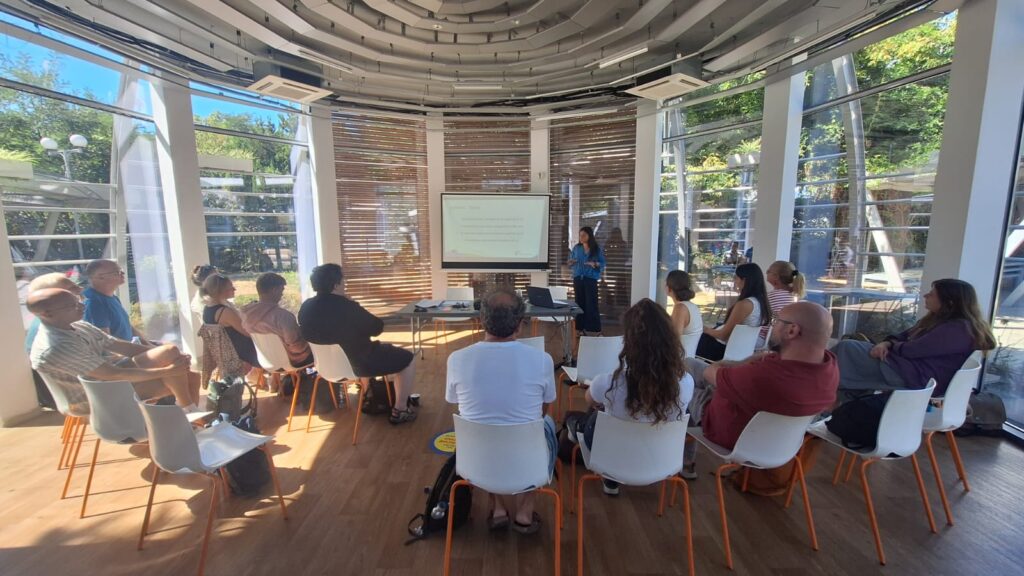
Throughout the week, partners tested a series of activities that will form the backbone of the upcoming toolkit. Led by Sineglossa, the co‑design sessions explored how the methods work in real learning environments and how they can support educators who may not be sustainability experts.
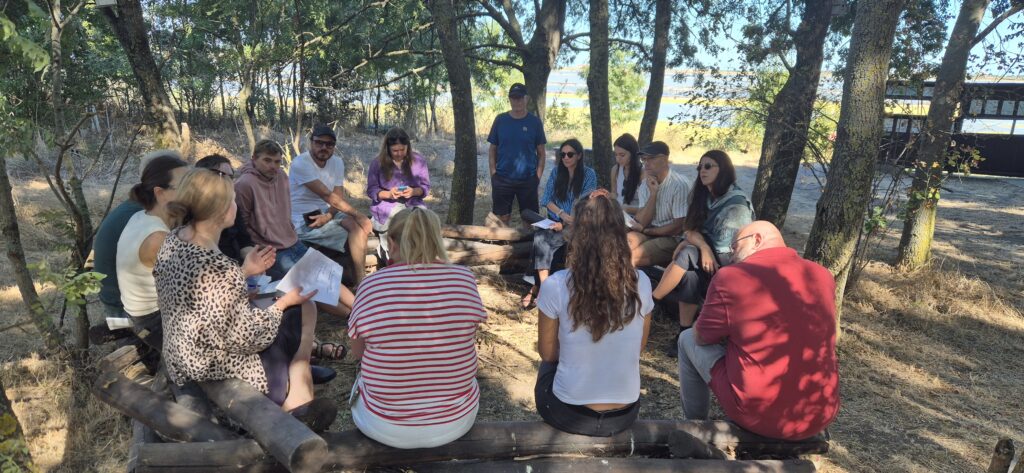
Breakout groups experimented with:
- Ecosystem‑focused observation exercises, encouraging learners to look beyond the obvious and identify subtle traces of interaction between humans and nature.
- Emotion‑mapping activities, helping students reflect on how coastal environments make them feel and why.
- Future‑scenario visualisation, inviting learners to imagine how their coastal communities might change — and what they hope to protect.
These tests provided valuable feedback that will directly shape the Stories of the Sea training pathway, structured around three interconnected phases: Introducing the concept of ecosystem → Ecosystem exploration → Storytelling.
Learning from Burgas: Voices and Places
The Burgas Lab also offered rich opportunities to learn from local coastal heritage and community voices.
The participants visited Lake Atanasovsko, one of Bulgaria’s saltiest lakes and a protected site, guided by BBF colleague Radostina Tzenova. The group walked the education trail and learned about the lake’s unique ecology and conservation efforts.
They also met Yanko Yankov of the Glarus Fishing Club, whose initiative Art, Fish Food & Science connects children and youthwith marine culture, food traditions and aquaculture.
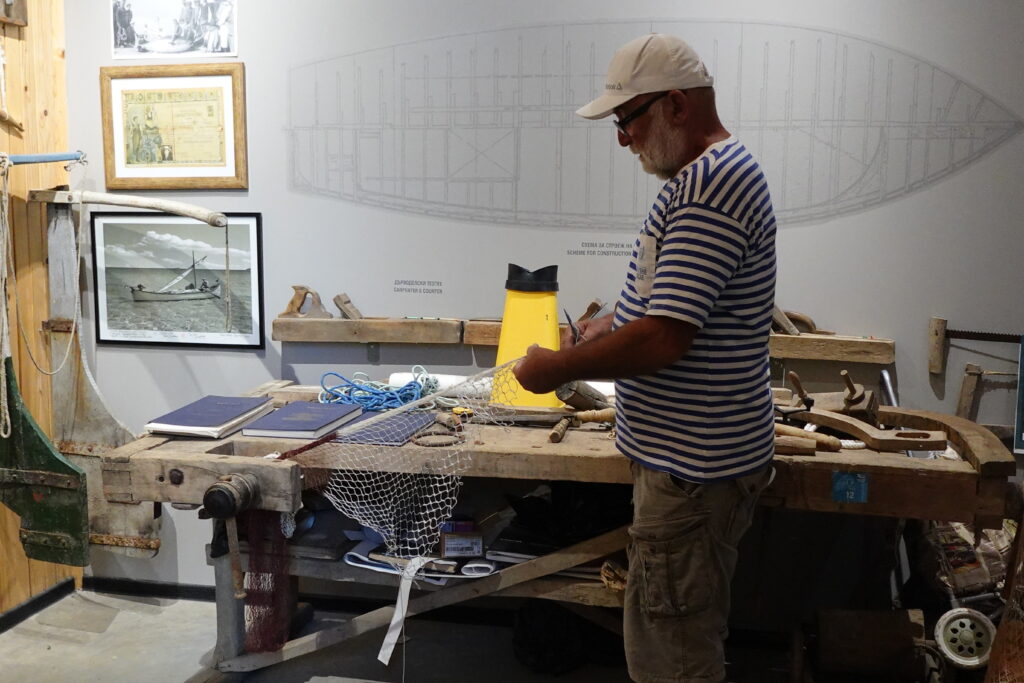
At the Cultural‑Tourist Complex Chengene Skele, Georgi Dimov from the Municipal Museum for the Black Sea and local fishermen shared stories of tradition, identity and change in the fishing settlement. Nikola Bobchev from Less Plastic added insights into community‑driven action on marine litter.
These encounters reinforced a core principle of Stories of the Sea: sustainability learning must be rooted in lived experience, local knowledge and cultural identity.
New Stories Coming Soon
Many of the interviews recorded during the Burgas Lab will soon be added to the Stories of the Sea Story Library, where coastal voices from across Europe are collected and shared. We will publish more video stories in the coming weeks.
Looking Ahead
The Burgas Lab was an important milestone on the way to completing the Stories of the Sea Toolkit and Training Methodology. The final project conference will take place next year in Rostock, hosted by EUCC‑D, where partners will present the results to a wider community of educators and coastal stakeholders.
Stories of the Sea continues to demonstrate how storytelling, ecosystem exploration and community engagement can empower learners to understand and care for Europe’s coastal environments.
More updates will follow as the toolkit development progresses.